Bee Tumbler Wrap Design 20oz Skinny Png: A Designer’s Honest Take
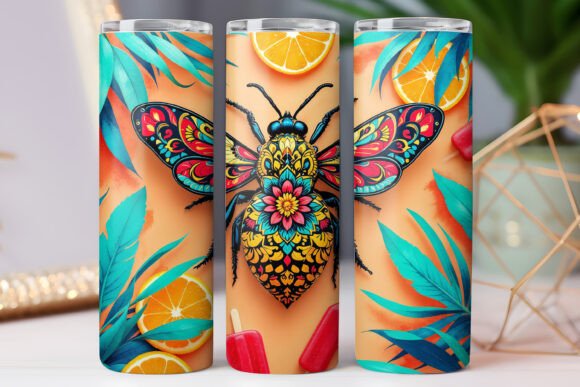
When I first opened the Bee Tumbler Wrap Design 20oz Skinny Png, I wasn’t sure what to expect. As someone who spends most days testing machine embroidery designs for small shop products and custom apparel, I’ve learned to look beyond the mockup. This design, originally created for sublimation on a skinny tumbler, caught my attention because of its cheerful, nature-inspired theme. The bee and sunflower combination feels warm, approachable, and modern. But how does it translate to embroidery? Let me walk through what I discovered after stitching it out, evaluating it for real projects, and thinking through how it might work for an Etsy seller or a craft business owner.
First Impressions: Mood, Layout, and Visual Personality
The Bee Tumbler Wrap Design 20oz Skinny Png carries a light, sunny mood right from the start. The bee is central, with a soft, rounded shape that feels friendly rather than overly detailed. The sunflower adds a natural counterpart, balancing the composition with its petals and center. The layout is well-proportioned for a vertical wrap, but when I consider it for embroidery, I immediately think about how the elements would read on a tote bag, a sweatshirt, or a baby onesie. The design doesn’t rely on tiny, fragile lines, which is a good sign. The overall personality is cheerful and handmade-friendly, perfect for personalized gifts or boutique merchandise. It feels like something a customer would choose for a custom embroidery project because it’s recognizable but not generic.
Real-Life Scenario: Testing the Design on a Custom Tote Bag
I decided to test this design in a real case: a custom embroidered tote bag for a local craft fair. The Bee Tumbler Wrap Design 20oz Skinny Png was originally a digital download for sublimation, but I wanted to see how it would work as an embroidery file. I digitized it myself, keeping the bee and sunflower as the main motifs. The tote bag was a medium-weight cotton canvas, so I used a tear-away stabilizer and a 5x7 hoop. The design stitched out cleanly, with the satin stitch on the sunflower petals holding up well. The bee’s body used a fill stitch, and the detail in the wings came through clearly. I did notice that the original design’s proportions, meant for a tumbler wrap, needed slight scaling adjustments to fit the tote bag’s front panel. Once resized, it looked natural and balanced. Customers at the craft fair responded well, and several asked about custom orders with the same bee and sunflower theme.
Where the Design Shines: Best Use Cases for Embroidery
Based on my testing, the Bee Tumbler Wrap Design 20oz Skinny Png works best for projects where the design can be the focal point. Here are the applications where it truly stands out:
- Custom apparel: Sweatshirts, t-shirts, and hoodies benefit from the design’s moderate detail level. The bee and sunflower read well on a chest or sleeve placement.
- Tote bags and aprons: The vertical orientation of the original wrap translates nicely onto a bag or apron front. It adds a personalized, handmade touch without overwhelming the product.
- Baby items and children’s clothing: The friendly bee shape is appealing for baby onesies, bibs, or small blankets. The sunflower adds a playful element that works for both boys and girls.
- Holiday and seasonal gifts: This design fits perfectly into spring and summer themed projects, but with the right color choices, it can also work for year-round gifts like housewarming presents or thank-you items.
- Patches and appliques: The shapes are simple enough to stitch as a patch, then attach to caps, jackets, or backpacks. The satin stitch edges give a clean, professional finish.
- Pillow covers and tea towels: For home decor, the design adds a cheerful accent. It’s not too dense, so it washes well on items that need frequent laundering.
- Small shop merchandise and Etsy listings: If you sell personalized gifts, this design can become a signature option. It’s recognizable but not overly trendy, which helps with long-term brand consistency.
Where to Use Caution: Potential Challenges in Embroidery
No design is perfect for every project, and the Bee Tumbler Wrap Design 20oz Skinny Png has a few areas that require careful planning. I’ve noted these from my own stitching sessions:
- Small hoop sizes: If you’re working with a 4x4 hoop, you may need to crop the design or focus on just the bee or the sunflower. The full composition works best in a 5x7 or larger hoop.
- Textured or stretchy fabrics: On fleece, knits, or stretchy fabrics, the fill stitch areas can distort if the stabilizer isn’t robust. I recommend using a cut-away stabilizer for these materials to keep the bee’s shape clean.
- Dark fabric backgrounds: The original design likely uses bright yellows and oranges. On dark fabric, the thread colors may not pop as much, especially for the sunflower center. A white or light underlay can help, but test it first.
- Curved surfaces like caps: The design’s layout is more vertical, which works fine on a cap front, but the sunflower’s petals may need slight adjustment to avoid distortion on the curve. A hoop with a cap brim attachment can help.
- Dense stitch areas: The sunflower petals are dense with satin stitches. On thin or delicate fabric, this can cause puckering. Use a stabilizer with enough body, and consider reducing the stitch density slightly if your digitizing software allows it.
- Tiny details or lettering: The design doesn’t include small text, but if you plan to add any, be careful about the bee’s wings and antennae. Those areas are small and could lose definition in a tight hoop.
Visual Appeal, Stitching Clarity, and Product Value
When the Bee Tumbler Wrap Design 20oz Skinny Png stitches out cleanly, it elevates the finished product. The bee and sunflower combination feels intentional and handmade, which builds customer trust. For an Etsy seller or a craft business owner, this design adds value because it looks like a custom piece, not a mass-produced graphic. The stitching clarity depends on the thread colors you choose. I tested it with a bright yellow, a warm orange, and a soft brown for the bee’s body. The contrast worked well on a cream-colored tote bag. On a darker fabric, you might want to use a white or light gray thread for the sunflower petals to keep the design readable. The visual appeal is strong enough that customers often ask about the design’s story, which is a great conversation starter at craft fairs or in online listings.
How the Design Affects Brand Consistency and Buyer Engagement
If you’re building a small shop, consistency matters. The Bee Tumbler Wrap Design 20oz Skinny Png has a natural, organic feel that pairs well with other nature-themed designs. It’s not overly trendy, so it can remain part of your product line for multiple seasons. Buyer engagement tends to be higher with designs that feel authentic and well-executed. I’ve noticed that customers who buy gifts with this theme often leave positive reviews about the quality and the personal touch. The design also works well for printable mockups, which helps with listing photos on Etsy. You can show the design on a tumbler, a tote bag, a sweatshirt, or a pillow cover, and it will look consistent across different product types. That flexibility strengthens your brand’s professionalism and recognition.
Practical Embroidery Designer Notes Before You Start
Before you use the Bee Tumbler Wrap Design 20oz Skinny Png in a paid project, here are the steps I always recommend:
- Test on scrap fabric first. Use the same fabric type you plan to use for the final product. Check the stitch quality, tension, and alignment.
- Check thread color contrast. Hold your thread colors against the fabric. Make sure the bee and sunflower stand out, especially if the fabric is dark or has a busy pattern.
- Review stitch density. The original design is a PNG for sublimation, so if you’re digitizing it yourself, pay attention to the fill stitch density. Too dense, and the fabric may pucker. Too loose, and the design may look unfinished.
- Confirm hoop size. Ensure your hoop can accommodate the design at its intended size. If you’re scaling it, test the scaled version to confirm the details hold up.
- Inspect small details. The bee’s wings and antennae, and the sunflower’s petals, are the most delicate parts. Check whether they stitch cleanly at your chosen size.
- Test in black and white mockups. Print the design in grayscale to see if the contrast and shapes are still readable. This helps identify areas that might get lost in embroidery.
- Compare light and dark fabric backgrounds. Stitch the design on both a light and a dark fabric sample. Adjust thread colors if needed.
- Use proper stabilizer. For most projects, a medium-weight cut-away or tear-away stabilizer works well. For stretchy fabrics, use a cut-away with a light adhesive spray.
- Confirm licensing before selling. Since the Bee Tumbler Wrap Design 20oz Skinny Png is a digital download for sublimation, check the license terms before using it for commercial embroidery projects or selling finished items. If the license is unclear, contact the seller. I cannot provide exact license terms here, so it’s your responsibility to verify.
- Test for both personal and commercial projects. Stitch a sample for yourself first, then decide if it meets your quality standards for client work.
Final Thoughts: Is This Design Right for Your Embroidery Business?
The Bee Tumbler Wrap Design 20oz Skinny Png is a solid choice for designers and small business owners who want a cheerful, nature-inspired motif that works across multiple product categories. It’s not a complex embroidery file, but it has enough character to make custom apparel, tote bags, aprons, and personalized gifts feel special. The key is to test it thoroughly, adjust for your specific fabric and hoop size, and confirm the licensing before you start selling. If you do that, this design can become a reliable option in your craft business. For me, it’s earned a spot in my rotation for spring and summer projects, and my customers have responded well. If you’re still on the fence, order a test stitch-out. That’s the only way to truly know if a design fits your workflow and your customers’ expectations.