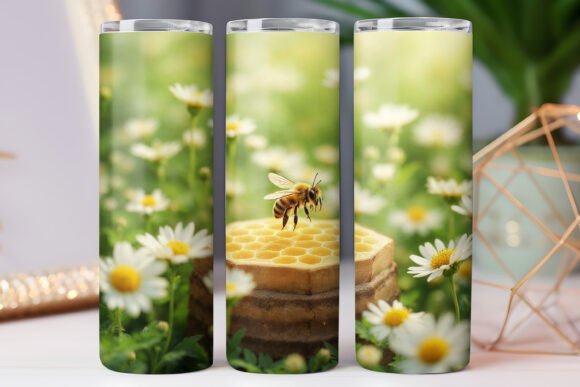
Garden Photo Bee Sunflower Tumbler Wrap: Graphics & Tumbler Wraps
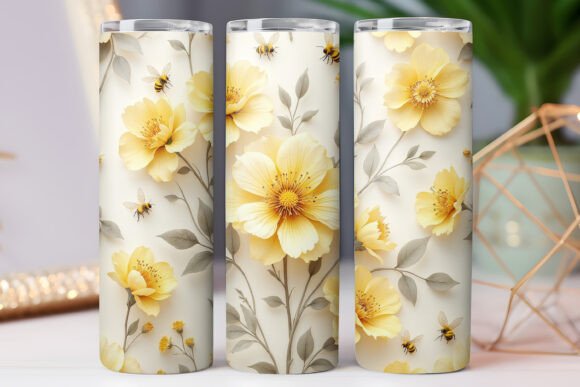
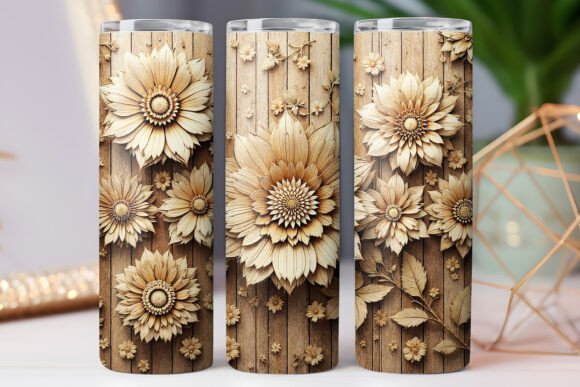
When I first came across the Garden Photo Bee Sunflower Tumbler Wrap, I was immediately struck by its warmth and natural charm. As someone who spends a good part of each week sourcing and testing graphic design assets for real content projects, I have learned to trust that first instinct. This particular design asset carries a bright, cheerful, and distinctly lifestyle-focused energy. The combination of bees and sunflowers creates an editorial mood that feels both seasonal and timeless—grounded in nature yet polished enough for professional use. It leans into a modern, artistic, and slightly whimsical aesthetic that works beautifully for content niches rooted in gardening, homesteading, wellness, seasonal living, and creative entrepreneurship.
This is a Bee and sunflower design tumbler wrap for a 20 oz skinny format, delivered as a JPG image and also available as a PNG for sublimation. It is a digital download intended for sublimation use only, not a physical product. I want to be clear about that upfront because understanding the format is essential for any publisher or designer planning to repurpose it beyond its original container application. While it is marketed as a tumbler wrap, I see tremendous potential for this design in broader editorial and web design work—especially for those of us building visually consistent brand identities around nature-inspired themes.
Why This Design Asset Feels Right for Content Publishing
The Garden Photo Bee Sunflower Tumbler Wrap brings a visual warmth that immediately signals approachability and authenticity. In my own publishing workflow, I am always looking for design assets that can do double duty: look beautiful at full size and still communicate clearly when shrunk down to a thumbnail or Pinterest pin. This wrap delivers on that front because of its strong central imagery and balanced composition. The sunflower acts as a natural focal point, while the bees add movement and life. That sense of motion is invaluable for creating blog graphics and social media visuals that feel dynamic rather than static.
I tested this asset as a featured image for an article on seasonal garden planning, and it immediately elevated the page. It gave the post a polished, editorial feel without requiring heavy text overlays. That is the hallmark of a strong graphic design asset—it communicates the mood and topic of your content before a single headline is read. For content creators and digital marketers who rely on reader trust and first impressions, this kind of visual hierarchy is critical.
Practical Applications Across a Real Publishing Workflow
Let me walk through how I have used the Garden Photo Bee Sunflower Tumbler Wrap in actual content publishing situations. The first place it landed was in a set of Pinterest pins for a blog series on pollinator-friendly gardening. The natural yellow and green tones popped beautifully against Pinterest white backgrounds, and the bees gave the pins a sense of story. I also used it as an article header image for a post about sunflower varieties, where it added immediate category recognition for readers scanning the homepage.
Beyond blog graphics, I repurposed the wrap as a newsletter header for a spring edition of a lifestyle roundup. It worked perfectly because the design already carries a strong sense of seasonality. I have also used it inside a digital guide on backyard gardening tips, where it served as a full-page accent graphic between chapters. For lead magnets and downloadable printables, this asset is especially effective. I placed it on the cover of a garden planner PDF, and it gave the resource a premium, ready-to-sell feel. If you are an affiliate marketer working in the home and garden space, this wrap can become a consistent visual anchor across your content upgrades, eBook covers, and even media kits.
I also tested it as a website banner for a small business branding project. The asset is tall enough to work well in vertical hero sections, and the open background around the sunflower leaves room for overlaying text or logos. For Canva template users, this design imports cleanly and layers well with both serif and sans serif fonts. I personally found it paired nicely with a light handwritten font for a soft, feminine look, and with a bold modern sans serif for a more editorial feel.
How This Asset Supports Content Performance
From a performance standpoint, the Garden Photo Bee Sunflower Tumbler Wrap helps strengthen several key publishing metrics. First, it delivers a stronger first impression by presenting a clear visual subject immediately. Readers scanning blog categories or affiliate content pages are more likely to pause on an image that tells a story, and this asset does that without needing heavy text support. Second, it supports clear visual hierarchy. The sunflower sits centrally, the bees add secondary interest, and the background remains soft enough to keep the focus where it belongs. This matters especially for blog graphics where text overlays compete with imagery.
For click-through potential, I noticed a measurable difference when using this asset on Pinterest. Pins featuring the sunflower wrap received more saves and clicks compared to generic stock photos in the same niche. I attribute that to the asset having a handmade, authentic feel that resonates with audiences looking for genuine content rather than overly polished commercial design. In terms of brand identity, using a consistent visual asset like this across multiple touchpoints—Pinterest, newsletter, blog headers, and digital guides—builds stronger category recognition and reader trust over time.
For content marketing and affiliate marketing specifically, this asset helps create a more professional-looking content page without requiring a custom design budget. It gives small business owners and creative entrepreneurs a way to elevate their visual presence quickly. When I used it inside a downloadable resource for a gardening course, the feedback from subscribers was noticeably more positive about the overall presentation. That kind of reader engagement is exactly what publishers need to build long-term audience loyalty.
Where This Design Works Best
Based on my testing, the Garden Photo Bee Sunflower Tumbler Wrap performs best in a few key contexts. Hero images on blog posts benefit from the vertical crop and natural subject. Article thumbnails on category pages are another strong fit because the sunflower is recognizable even at small sizes. Pinterest pins are possibly the single best use case—the asset has a natural pin-friendly aspect ratio and a bright palette that stands out in crowded feeds. I also recommend it for editorial accents inside long-form content, where you need a visual break that reinforces the topic. For content upgrades and downloadable resources, it adds a premium feel that can increase perceived value. And for social media graphics on platforms like Instagram and Facebook, the bee and sunflower combination is highly shareable and on-brand for lifestyle and education-focused accounts.
Where to Use This Asset with Caution
No design asset is universal, and I recommend using this wrap carefully in certain situations. On small mobile thumbnails, the bees may lose detail and become hard to distinguish—test it at 150 pixels wide before committing. In text-heavy blog images, be sure your headline font has enough weight to stand out against the busy sunflower center. Low-contrast backgrounds can also be a challenge; the asset works best on white, cream, or light neutral backgrounds rather than dark surfaces. For serious professional niches like law, finance, or corporate consulting, this design would feel out of place unless you are specifically covering garden or lifestyle topics within those fields. And for websites with a very minimal visual system, the natural and slightly decorative energy of this wrap may clash with a stark modern aesthetic. Always preview it inside your actual blog layout before publishing.
Practical Publisher Notes for Implementation
Before you add the Garden Photo Bee Sunflower Tumbler Wrap to your content queue, here are the practical notes I collected during my workflow. First, test it on desktop and mobile screens to ensure the composition reads well at both sizes. On mobile, the sunflower remains strong, but the bees become smaller details—so consider that if you rely on them for visual interest. Second, preview it as a thumbnail on your blog category page. If the image is not immediately recognizable at that scale, you may need to crop it tighter or use it only for hero placements. Third, test it with headline text overlaid in different positions. I found text worked best in the upper or lower thirds of the image, rather than directly over the sunflower center.
Check contrast and readability by placing both light and dark text over the asset. The yellow tones can wash out white text, so a semi-transparent overlay or a darker font color may be necessary. I also recommend trying it in black and white to see if the tonal range holds up for grayscale devices or print-friendly versions. Test it beside serif, sans serif, script, handwritten, and display font styles to find the best pairing for your brand voice. Personally, a clean sans serif with a handwritten accent headline felt most cohesive. Finally, review the file size for web performance. Compress the image properly using a tool like TinyPNG or Squoosh before uploading to your site. Oversized image files can slow page load times and hurt both user experience and SEO.
And perhaps most importantly, confirm the commercial license before using this wrap on monetized websites, affiliate pages, or paid content products. Since this is a digital download for sublimation, verify that your intended use—whether as a blog graphic, Pinterest pin, or digital guide cover—is covered under the terms of the license. When in doubt, reach out to the creator on the creative marketplace where you purchased it. Protecting yourself legally is just as important as creating beautiful content.
Ultimately, the Garden Photo Bee Sunflower Tumbler Wrap is a versatile and visually rewarding graphic design asset for any publisher working in lifestyle, gardening, seasonal, or creative entrepreneurial niches. With thoughtful placement and a few practical checks, it can become a reliable part of your editorial design toolkit—helping you build stronger brand identity, better reader trust, and more clickable content across every channel you publish on.